What Appliance Repair Costs in Livermore and the Tri-Valley (2026)
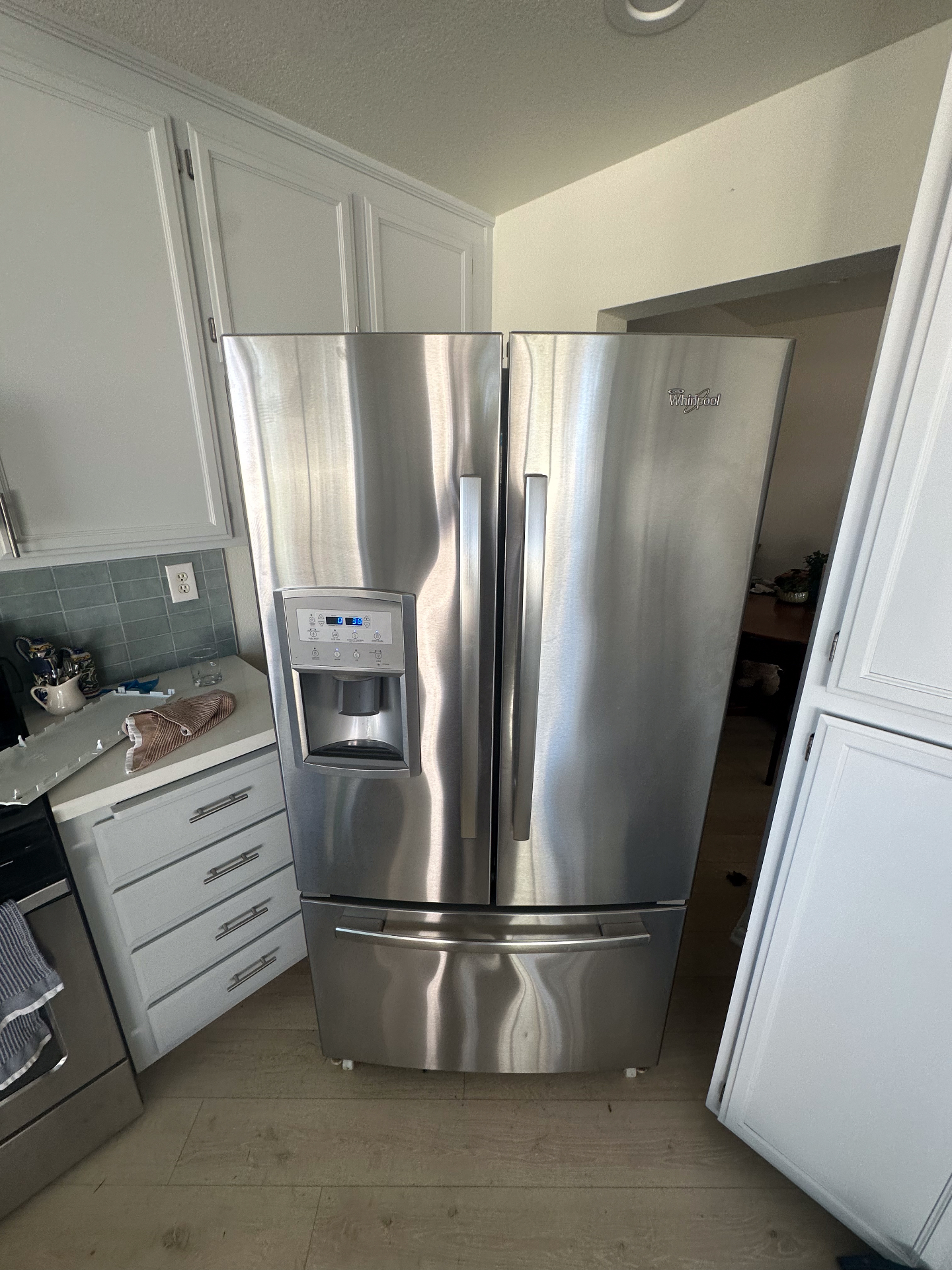
Table of Contents
- 1. What Most Appliance Repairs Cost Here
- 2. Why Repair Costs More in the East Bay Than the National Average
- 3. What the Service Call Fee Actually Buys You
- 4. Repair or Replace: A Rule That Actually Works
- 5. Repairs That Are Almost Always Worth It
- 6. Repairs Worth Thinking Hard About
- 7. What Makes Repairs More Common in Livermore Specifically
- 8. Things You Can Check Before You Pay Anyone
- 9. Getting a Straight Number for Your Repair
- 10. Frequently Asked Questions
Most appliance repairs in Livermore and the surrounding Tri-Valley land somewhere between $150 and $500, parts and labor included. The diagnostic visit that gets you a firm number typically runs $80 to $165 on its own, and most shops apply it toward the repair if you go ahead. Simple fixes - a door gasket, a thermostat, a clogged drain line - sit at the bottom of that range. Sealed-system and compressor work sits well above it.
Here is what those numbers look like by appliance, and here is the one rule worth remembering before you call anybody: if the repair quote is more than half the cost of replacing the appliance, and the machine is past two-thirds of its expected life, replace it. Everything below is the detail behind that sentence.
What Most Appliance Repairs Cost Here
National cost guides put the average appliance repair at $100 to $400, with a service call of $70 to $130 and labor between $50 and $125 an hour. Those are real figures, and they are also the figures for the whole country - including markets where a technician's overhead is a fraction of what it is here.
Bay Area appliance repair generally runs 15 to 25 percent above the national average. Applying that adjustment gives a realistic planning range for the Tri-Valley:
| Appliance | National range | Tri-Valley estimate |
|---|---|---|
| Refrigerator or freezer | $125-$500 | $150-$625 |
| Washing machine | $100-$400 | $115-$500 |
| Dryer | $100-$300 | $115-$375 |
| Dishwasher | $100-$300 | $115-$375 |
| Oven | $150-$350 | $175-$440 |
| Stove or range | $100-$300 | $115-$375 |
| Microwave | $100-$250 | $115-$315 |
| Ice maker | $100-$225 | $115-$280 |
Treat these as planning numbers, not quotes. The spread inside each row is mostly about which part failed. A dryer that will not heat because the thermal fuse blew is a cheap, fast fix. The same dryer with a failed motor is a different conversation entirely.
Why Repair Costs More in the East Bay Than the National Average
It is not markup for its own sake. Three things drive it.
Labor costs what labor costs here. A trained appliance technician in Alameda and Contra Costa counties is competing for wages against every other skilled trade in one of the most expensive labor markets in the country. That flows straight into the hourly rate.
Drive time is real time. A Tri-Valley service route can mean Livermore to Walnut Creek to Fremont in a single day. Every shop builds that into pricing somehow - either as a higher service call fee or a higher hourly rate.
Parts logistics. Brand-specific components for Bosch, Miele, Sub-Zero, Thermador and the other higher-end machines common in Danville, Blackhawk, Alamo and Pleasanton neighborhoods often have to be ordered rather than pulled off a truck. That adds a second visit, and a second visit adds cost.
The flip side is worth saying plainly: replacement costs are higher here too, and by a wider margin. A repair that looks expensive against a national average often still looks like a bargain against what the same appliance costs to replace and install locally.
What the Service Call Fee Actually Buys You
The diagnostic fee is the part people resent most, and it is usually the part that saves them money.
What you are paying for is a technician physically opening the machine and telling you what is wrong - not a guess over the phone. Anyone who quotes you a repair price without seeing the appliance is either quoting the cheapest possible failure to win the job, or quoting the most expensive one to protect themselves. Neither number is real.
Most shops in this area, including ours, credit the diagnostic toward the repair when you move forward. Some do not. Ask before you book. That one question is worth more than any online estimate.
Four questions worth asking on the phone:
- Is the diagnostic fee applied to the repair if I go ahead?
- Do you carry common parts for my brand on the truck, or is this likely a two-visit job?
- Will I get the total price before any work starts?
- Is there a warranty on the repair, and how long?
A shop that answers all four without hedging is a shop worth using.
Repair or Replace: A Rule That Actually Works
Here is the framework. It is simple and it holds up.
Step one: the 50% test. If the repair quote exceeds half the cost of a comparable new appliance, replacement is usually the better financial decision. A $220 repair on a $900 dishwasher is easy. A $600 repair on that same dishwasher is not.
Step two: the age test. Compare the appliance's age against its expected life. Consumer Reports found that if a refrigerator is less than 10 years old, it is usually more economical to fix than replace - and their repair data shows 62 percent of appliance repairs succeed on the first attempt, with another 25 percent resolved after two or more visits. Repair is not a coin flip. It works most of the time.
Step three: the pattern test. One failure on an otherwise healthy machine is a repair. Three failures in two years is a machine telling you something.
Two data points worth keeping in mind while you decide. The typical out-of-pocket appliance repair in Consumer Reports' survey work was around $197 - considerably less than most people expect. And 48 percent of extended warranties go completely unused, which tells you something about how often the catastrophic failure people fear actually arrives.
If you have a quote in hand and you are still unsure, call us at (925) 667-3597. We will tell you honestly if a repair does not make sense. Talking someone out of a bad repair is how we have stayed busy in Livermore for more than 20 years.
Repairs That Are Almost Always Worth It
- Door gaskets and seals on any appliance - inexpensive, and they fix cooling and efficiency problems that look much worse than they are
- Thermostats and temperature sensors - a common cause of "my fridge is dying" symptoms and rarely expensive
- Heating elements in dryers, ovens and dishwashers
- Igniters on gas ranges and ovens
- Drain pumps and clogged drain lines in dishwashers and washers
- Belts, rollers and thermal fuses in dryers
- Water inlet valves - cheap parts, and the failure that most often causes leaks and no-fill complaints
Repairs Worth Thinking Hard About
- Refrigerator compressors and sealed-system work. Consumer Reports puts the median compressor repair at $562, and that is a national median. On a fridge past 10 years, this is usually the moment to replace.
- Washer transmissions and drum bearings. Labor-heavy, and often the first of several failures.
- Control boards on older machines. The part is expensive, availability is unpredictable, and a board failure on a 12-year-old appliance rarely arrives alone.
- Anything on a machine already showing two other problems.
There is a difference between a machine with a broken part and a machine that is wearing out. A good technician will tell you which one you have.
What Makes Repairs More Common in Livermore Specifically
This is the part the national cost guides cannot write, and it has a real dollar cost for people in this valley.
Livermore's water is hard. The City of Livermore reports municipal water at 213 to 287 parts per million of calcium carbonate - officially "moderately hard to very hard." That works out to roughly 12 to 17 grains per gallon. Hardness also climbs seasonally, rising in winter months when more of the supply comes from local groundwater.
Every appliance in your house that touches water is dealing with that. Scale builds on dishwasher heating elements and spray arms until wash performance drops and the element eventually fails. It coats water inlet valves in washing machines until they stick partly open or partly closed. It is the single most common reason refrigerator ice makers in this area slow down, jam, or produce cloudy, small cubes.
Practical consequences for Tri-Valley homeowners:
- Dishwashers here need rinse aid more than the manual suggests, and periodic descaling with a citric-acid cleaner
- An ice maker that has slowed down is often scaled, not broken
- If you have a water softener, keep it maintained - a softener that has run out of salt is doing nothing for your appliances
- White film on glassware is a hardness problem, not a detergent problem, and no amount of extra soap fixes it
None of this makes a repair more expensive. It makes certain repairs more frequent - and it means a Livermore homeowner should read a "typical appliance lifespan" chart as an optimistic number rather than a promise. It is also why we see the pattern so often across appliance repair in Livermore and the neighboring Tri-Valley cities.
Things You Can Check Before You Pay Anyone
Some of the calls we get do not need a technician, and we would rather say so.
- The dryer that will not dry. Check the lint trap, then check the exterior vent flap outside the house. A blocked vent is the most common cause and it costs nothing to look.
- The dishwasher that will not clean. Pull the bottom filter and rinse it. On most machines it twists out by hand. This is a five-minute job that solves a large share of "not cleaning" complaints - especially here, where scale and food debris combine.
- The refrigerator running warm. Vacuum the condenser coils, usually behind a grille at the bottom front or on the back. Dust-blocked coils make a healthy fridge behave like a failing one.
- The washer that will not drain. Check the drain pump filter, typically behind a small door at the lower front on front-loaders. Coins and hair ties live there.
- Anything that is completely dead. Check the breaker and, on a range or dryer, confirm the plug is fully seated.
If you have done all of that and the problem is still there, it is a real repair. Call somebody.
When not to DIY: anything involving refrigerant, anything involving a gas line, and anything that requires disassembling a sealed system. Those are licensed work for good reasons, and the failure modes are not forgiving.
Getting a Straight Number for Your Repair
The honest answer to "what will this cost" is that nobody knows until someone opens the machine. What you can insist on is a firm total before the work starts, and no surprises on the invoice.
Dr. Appliance has been repairing appliances in Livermore for over 20 years. We are family-owned, licensed and insured, we stock common parts on our service vehicles so most jobs finish on the first visit, and we cover Livermore, Pleasanton, Dublin, San Ramon, Danville, Tracy, Fremont, Walnut Creek, Lafayette, Alamo, Blackhawk, Moraga, Orinda, Sunol, Pleasant Hill and Castro Valley. Same-day and next-day appointments are usually available.
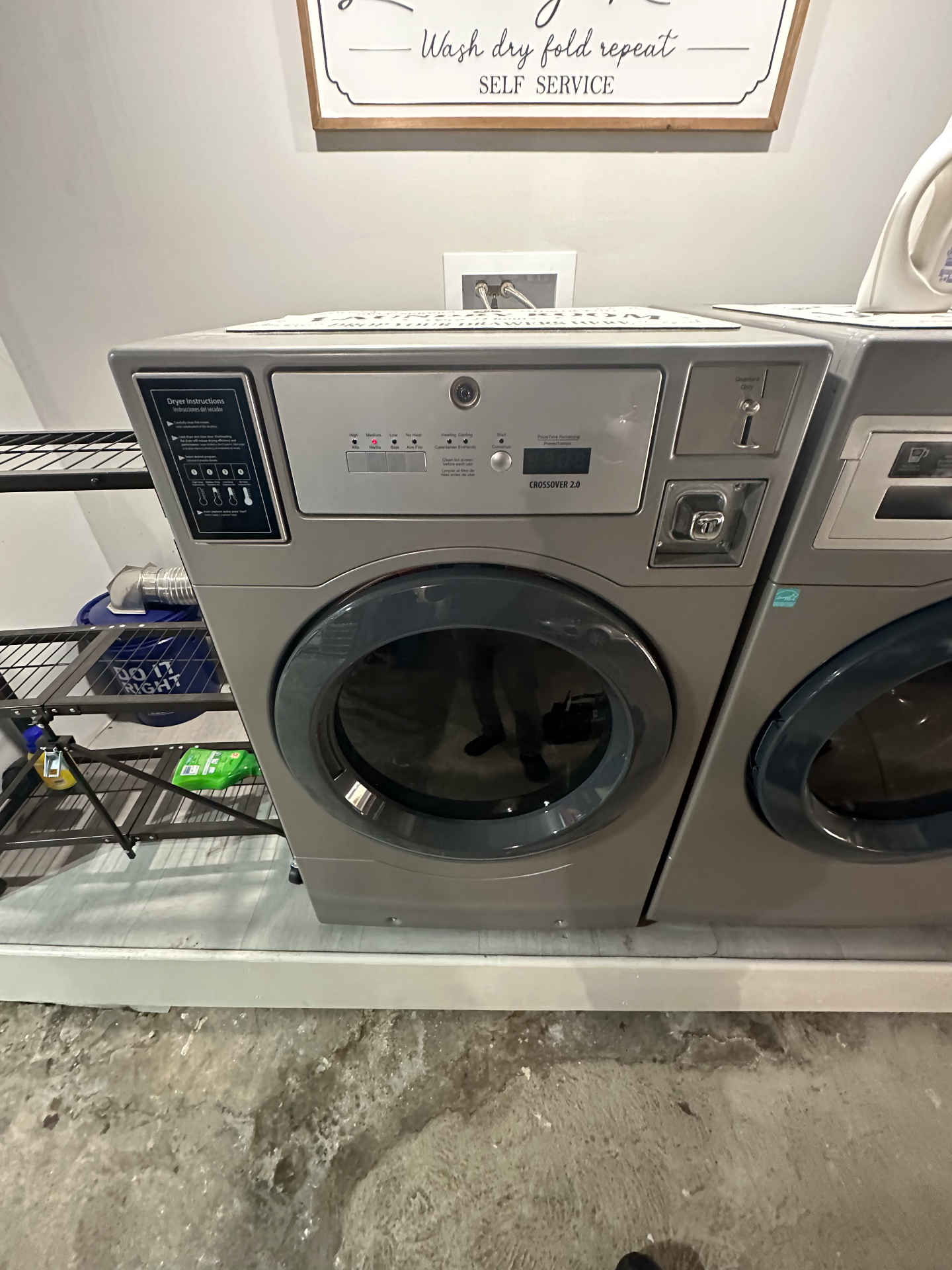
We handle refrigerator and freezer repair, washer and dryer repair, dishwasher repair, oven, stove and range repair and microwave repair - you can browse all of our services or read more about our residential appliance repair. We also cover commercial appliance repair services for restaurants, laundromats, hotels and property managers across the Tri-Valley.
Call (925) 667-3597 and tell us the brand, the appliance and what it is doing. We will tell you what it is likely to be, what it is likely to cost, and whether it is worth fixing. You can also reach us through our Contact us page.
Sources: national cost baselines from HomeGuide's 2026 appliance repair cost guide; repair success rates, median repair costs and the 10-year refrigerator threshold from Consumer Reports; water hardness figures from the City of Livermore Water Quality report.
Frequently Asked Questions
Ready to Schedule a Repair?
Dr. Appliance provides fast, professional appliance repair for homes and businesses throughout Livermore and the Tri-Valley.